
2026
Brisas interior Gardens perimeter and sitting
Entrant
Freelance
Category
Interior Design - Civic / Public
Client's Name
-
Country / Region
Guatemala
Gallery
About The Entry
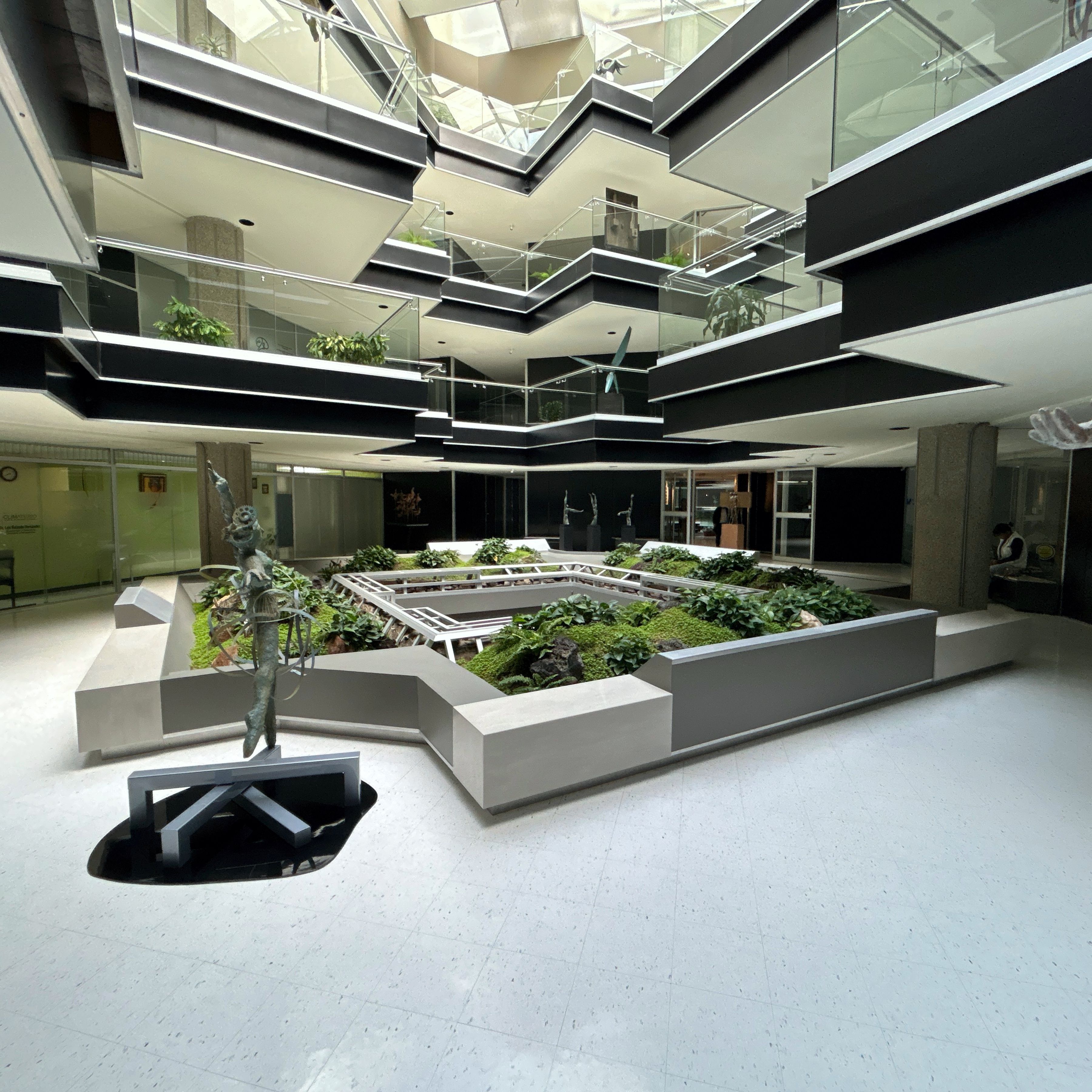
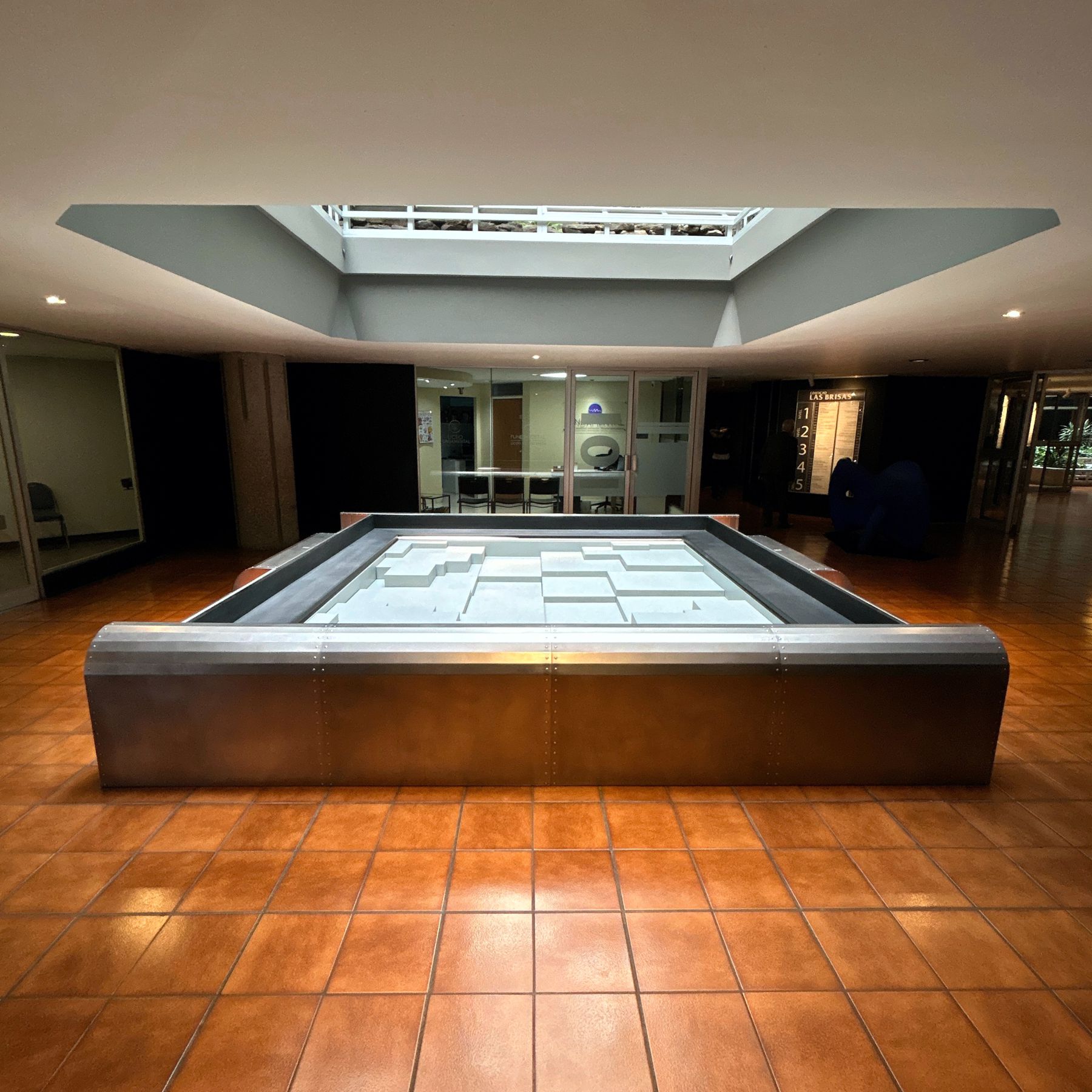
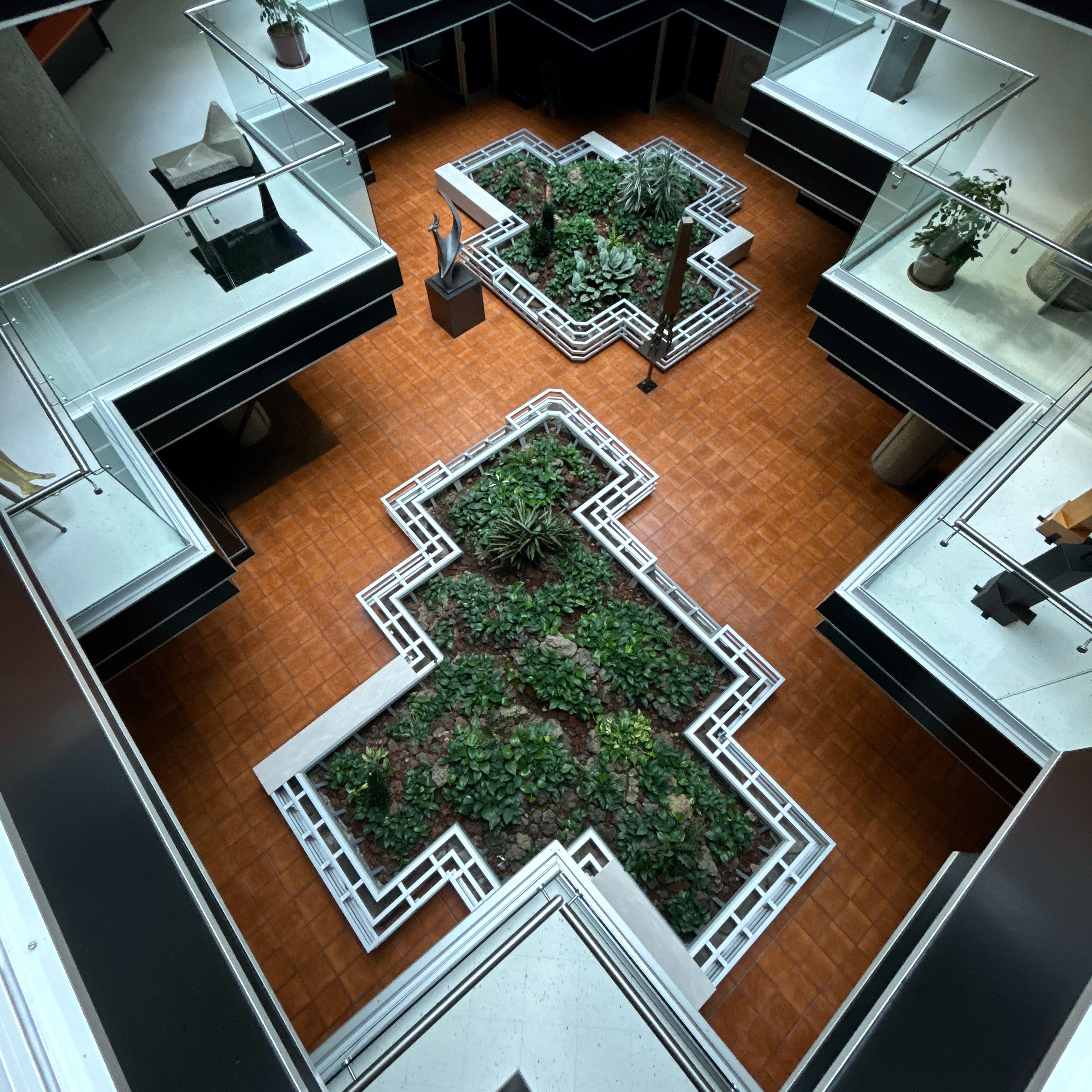
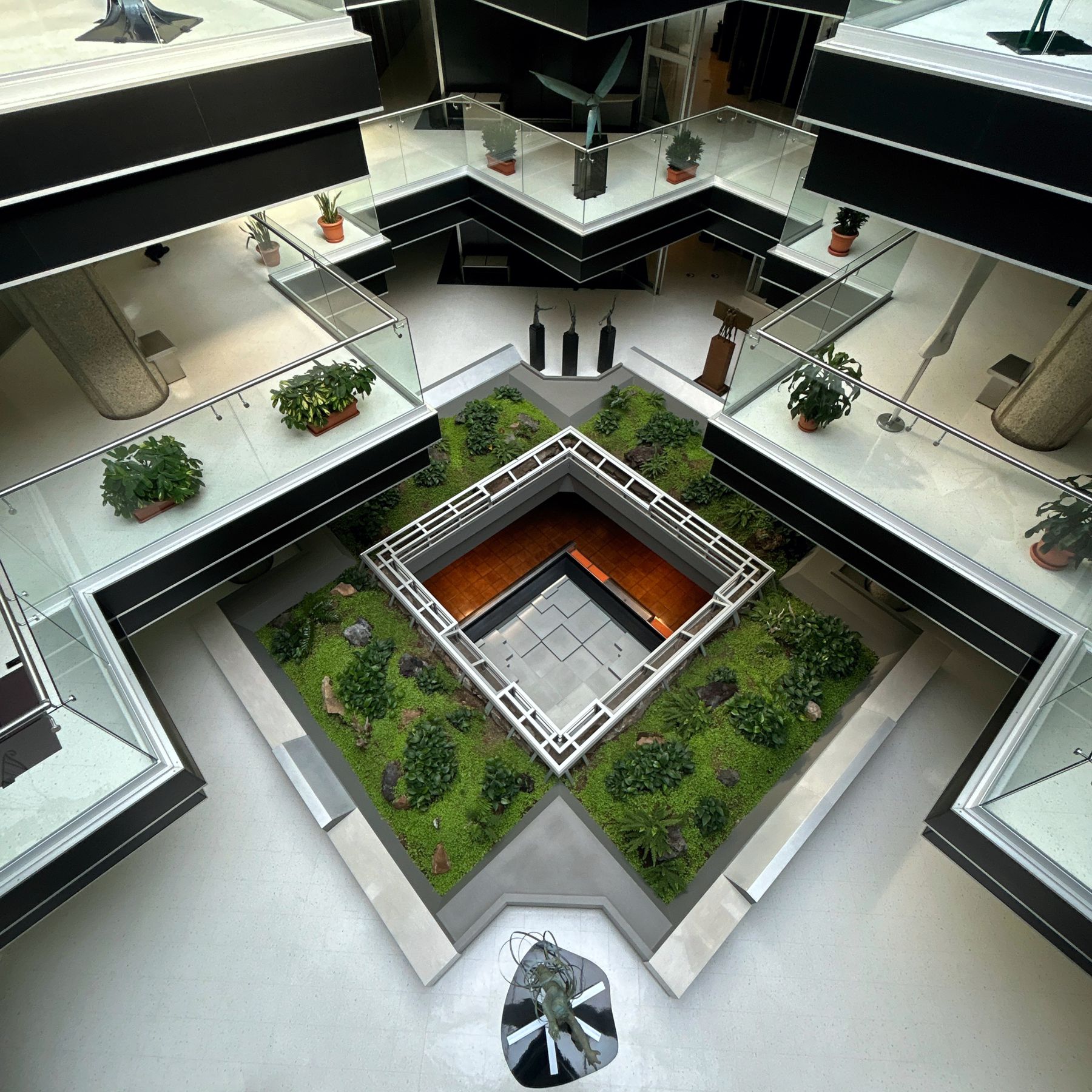
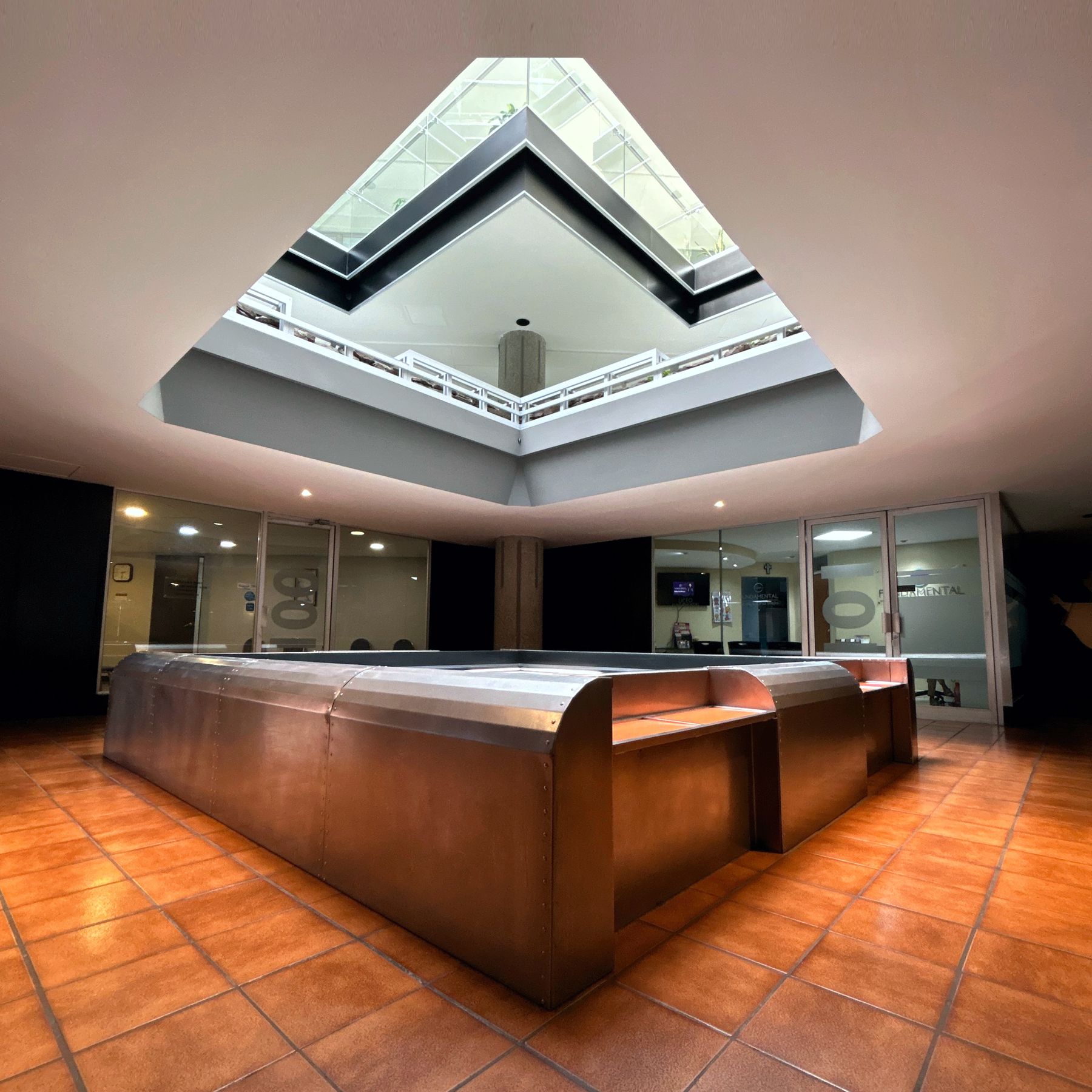
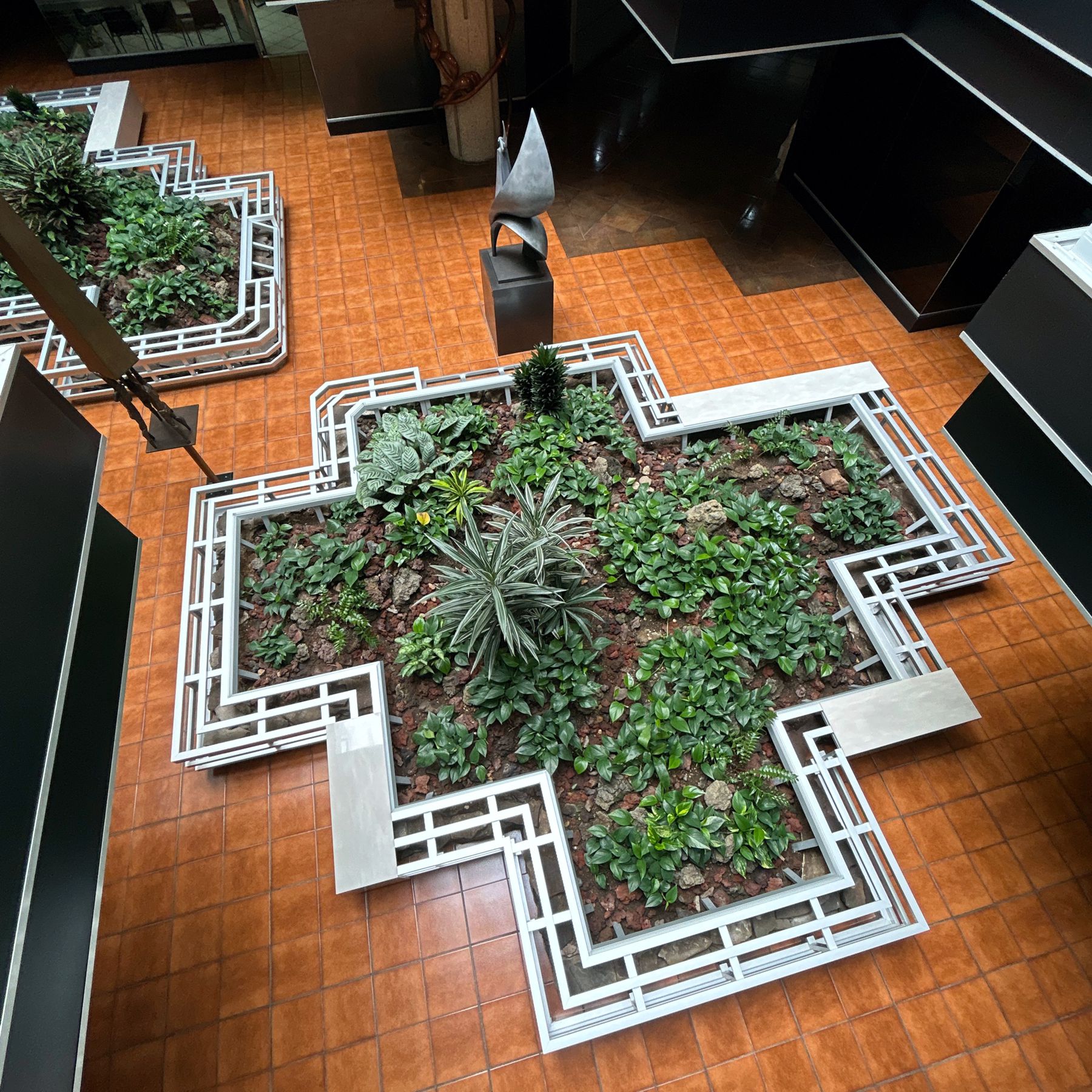
This interior design project reimagines a series of three interior spaces within a city building in Guatemala as a unified architectural system where furniture, structure, and circulation operate as a single design language. Originally conceived as independent interior gardens, the spaces were transformed into sculptural and inhabitable architectural interventions that prioritize light, material continuity, and human occupation.
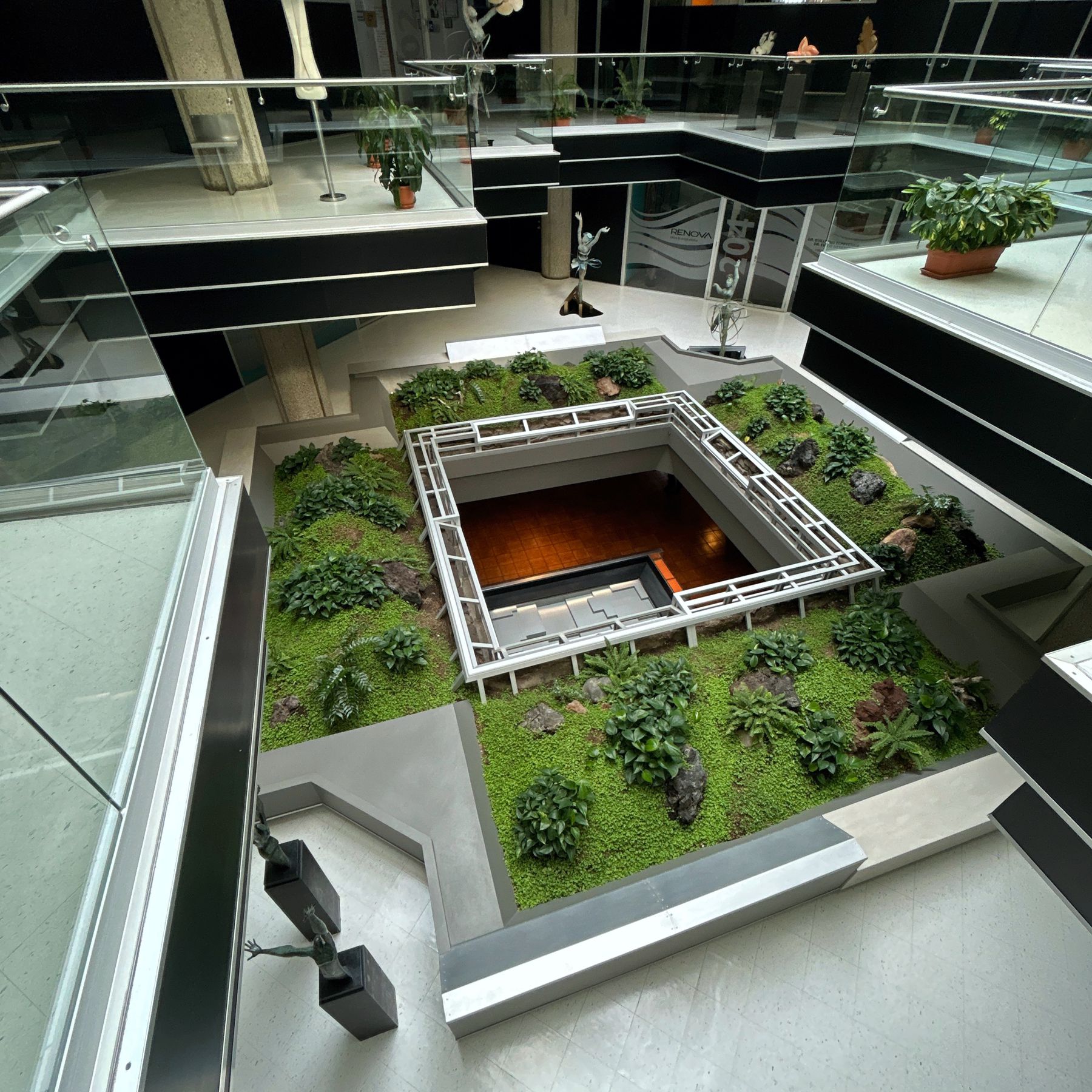
The project unfolds across three locations with distinct orientations and spatial conditions: a first-floor space on the west side, a second-floor space directly above it, and a third space on the east side of the building. While each intervention responds to its specific context, all share a rectilinear geometric logic and a carefully calibrated material palette, allowing the project to function as a coherent interior strategy rather than a collection of isolated designs.
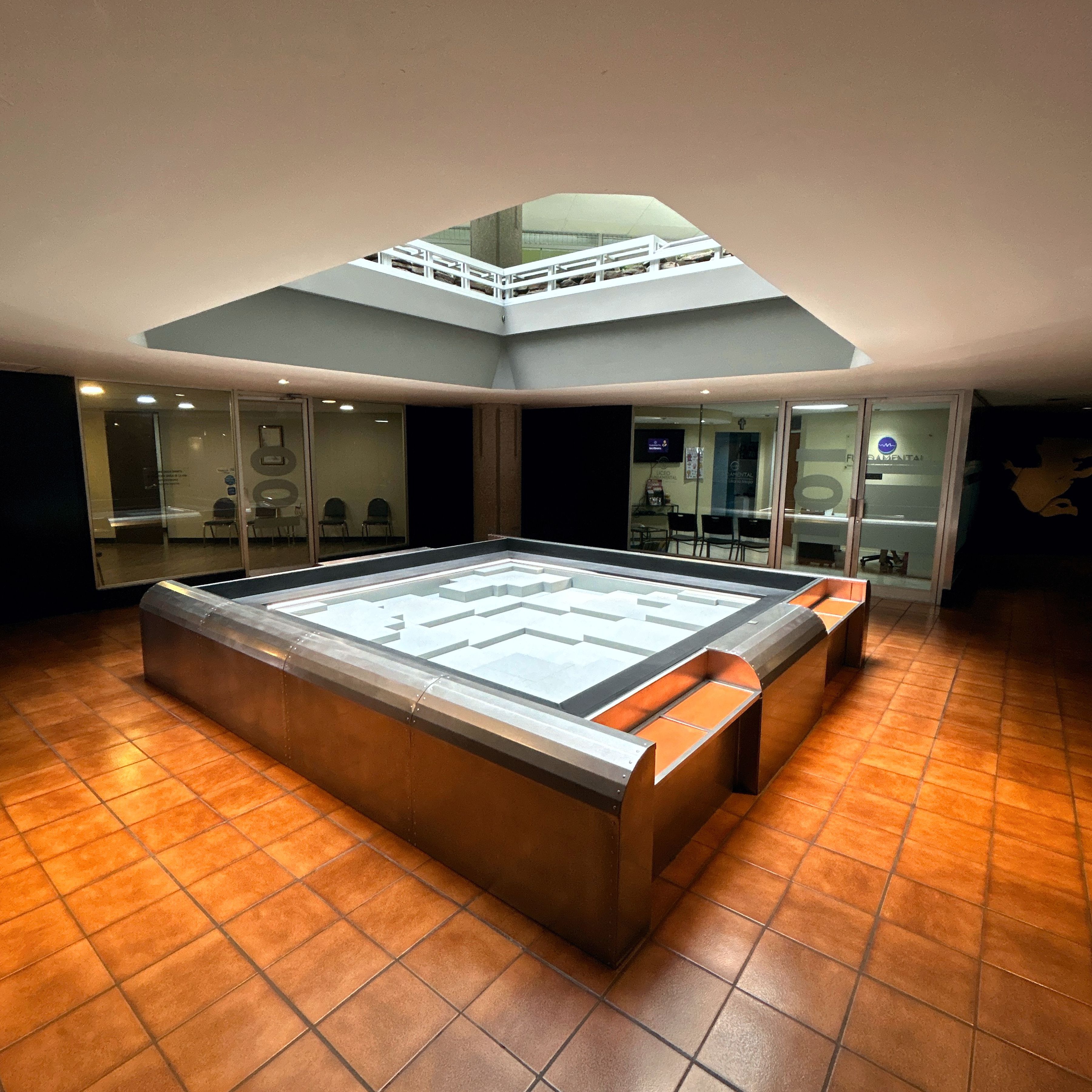
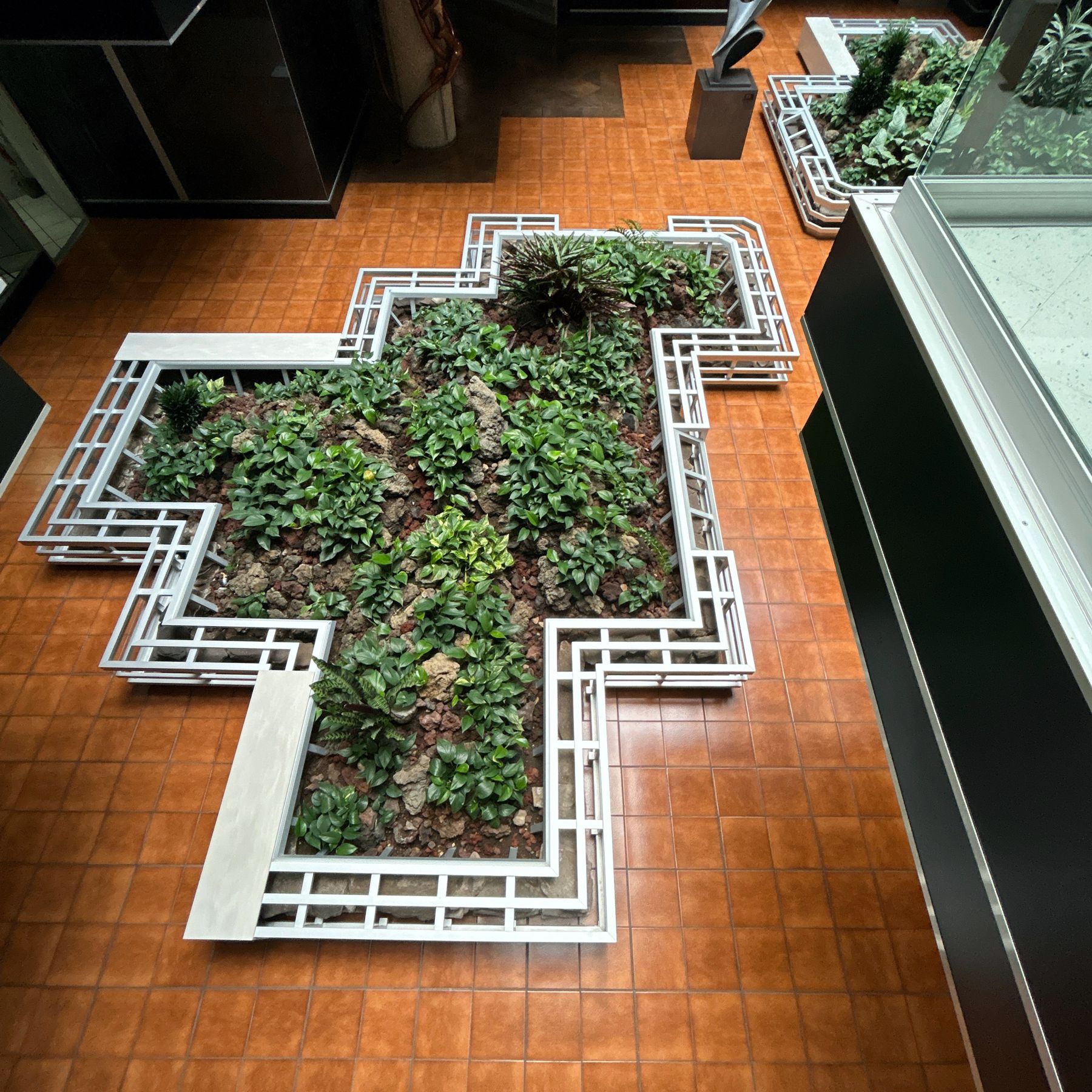
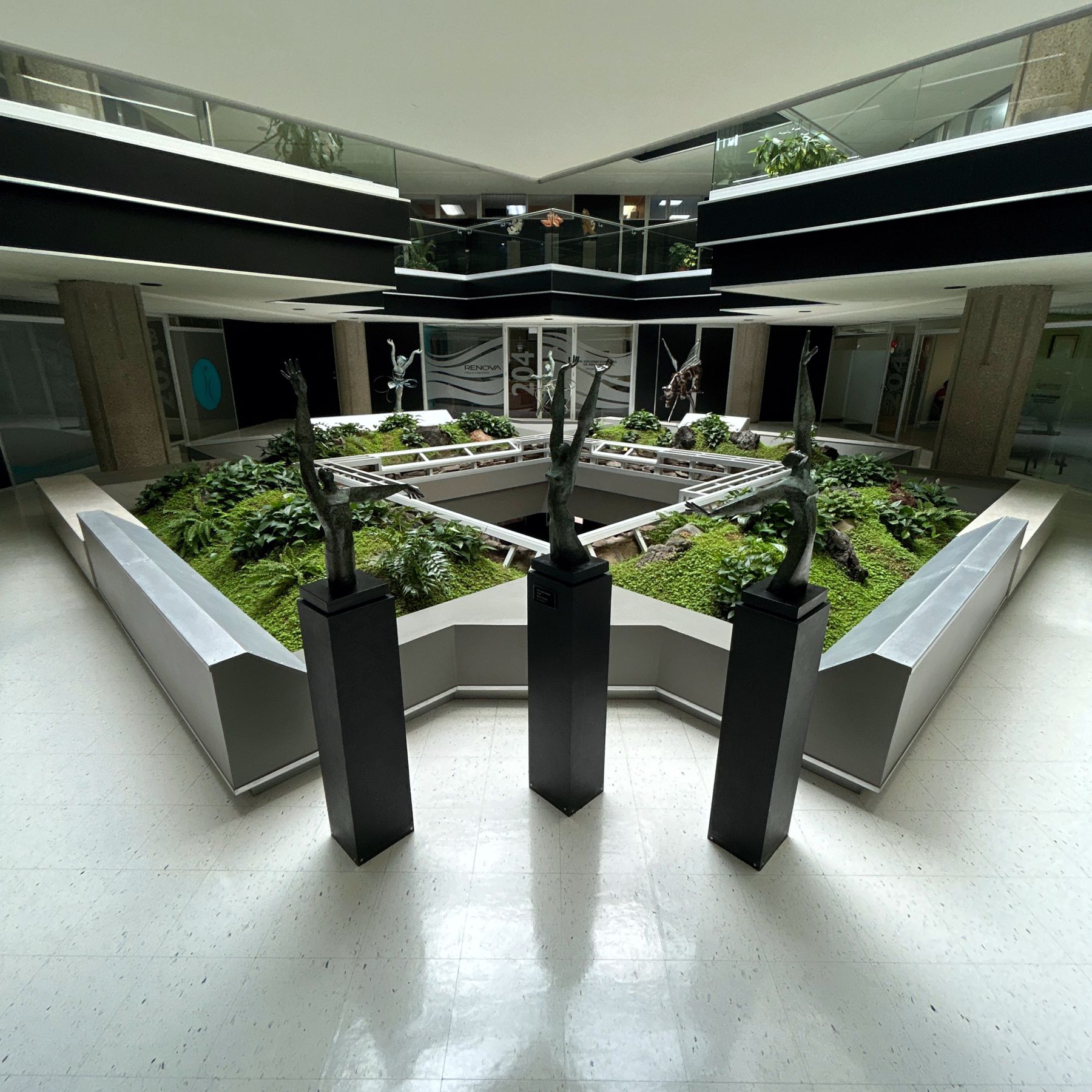
Custom-designed architectural modules constructed in stainless steel and aluminum define each space. These structures integrate Corian seating, embedding furniture directly into the architecture and blurring the boundary between object and environment. On the first floor, a stainless steel module engages a vertical light void, shaping volume and perception beneath an opening to the level above. The second-floor intervention responds to a lighter, white chromatic environment, using Corian seating and exposed aluminum detailing to maintain dialogue with the building’s existing material language. On the east side, two aluminum modules separated by a pedestrian circulation zone organize movement and occupation, allowing furniture to actively shape spatial flow.
Material repetition with variation plays a key role in unifying the project. Stainless steel, aluminum, and Corian are used strategically to establish continuity while allowing hierarchy and emphasis to shift across spaces. Seating evolves from an integrated feature to a defining element, reinforcing the idea of furniture as an architectural interface rather than an accessory.
The project is also informed by the building’s extensive art collection, which includes more than thirty sculptures displayed throughout its corridors. This museum-like condition influenced the level of precision and restraint applied to the design, allowing interior architecture and art to coexist in parallel. The result is an interior design system that transforms circulation spaces into experiential environments, where structure, furniture, and light work together to create a cohesive and enduring spatial narrative.
Entrant
Guoxin Space Design (Xi'an) Co., Ltd.
Category
Interior Design - Restaurants & Bars

Entrant
Wang Yun/ Huang Guangwei
Category
Communication Design - vis
Entrant
YUAN-LI INTERIOR DESIGN
Category
Interior Design - Residential