
2025
BEFORE & AFTER: ECOLOGY OF PLACE
Entrant
Youssef Denial
Category
Architectural Design - Institutional
Client's Name
-
Country / Region
United States
Gallery
About The Entry
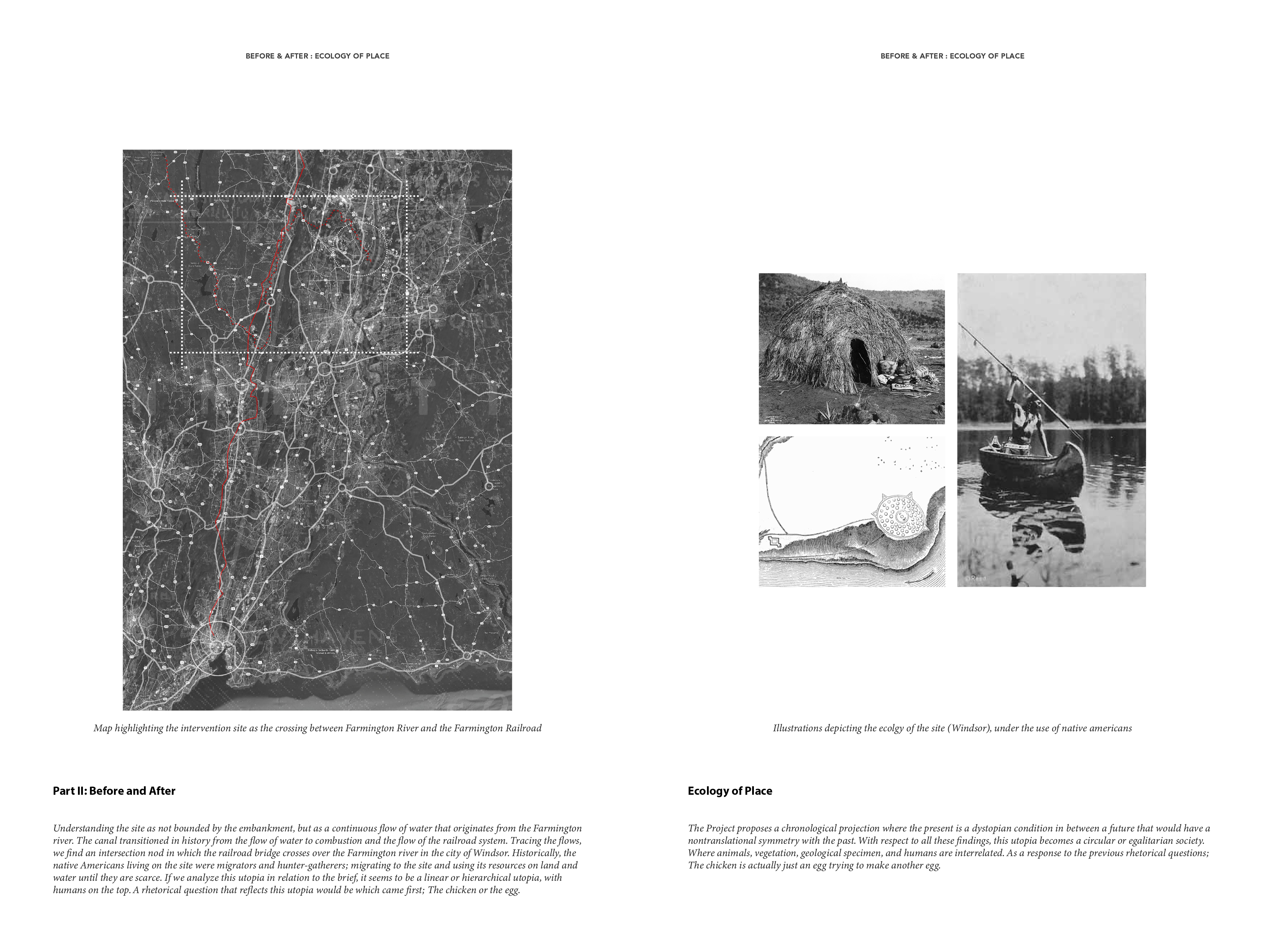
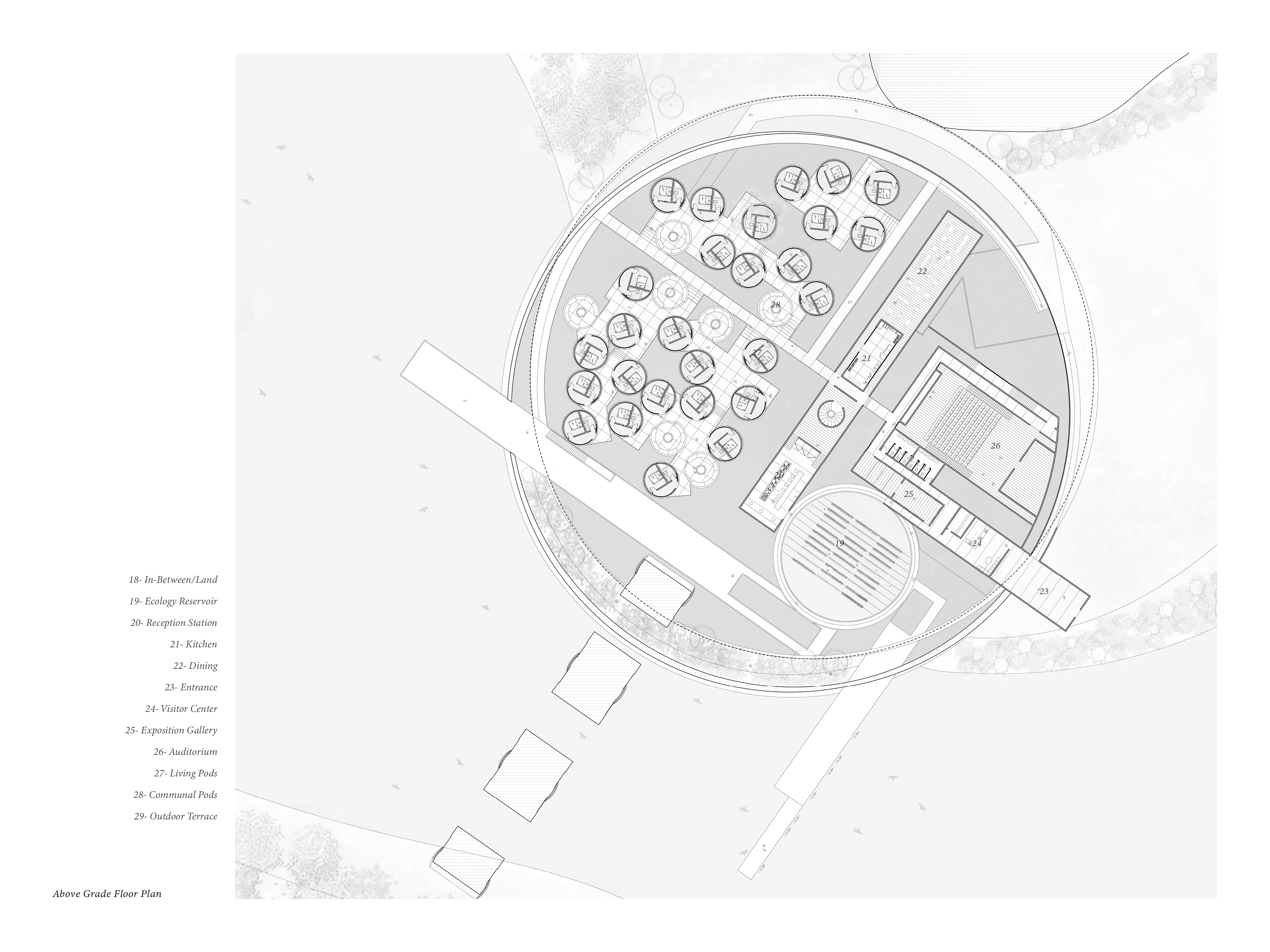
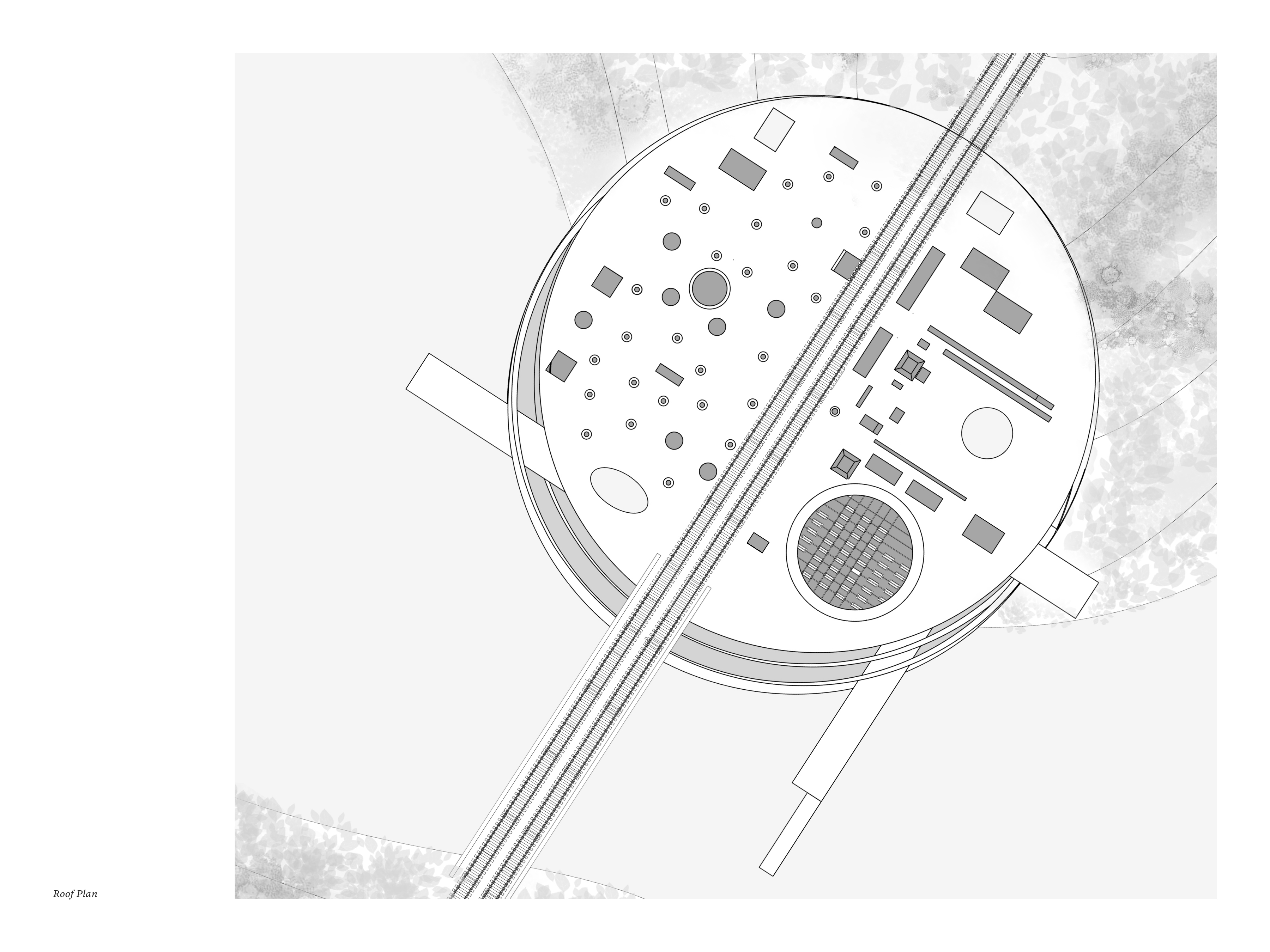
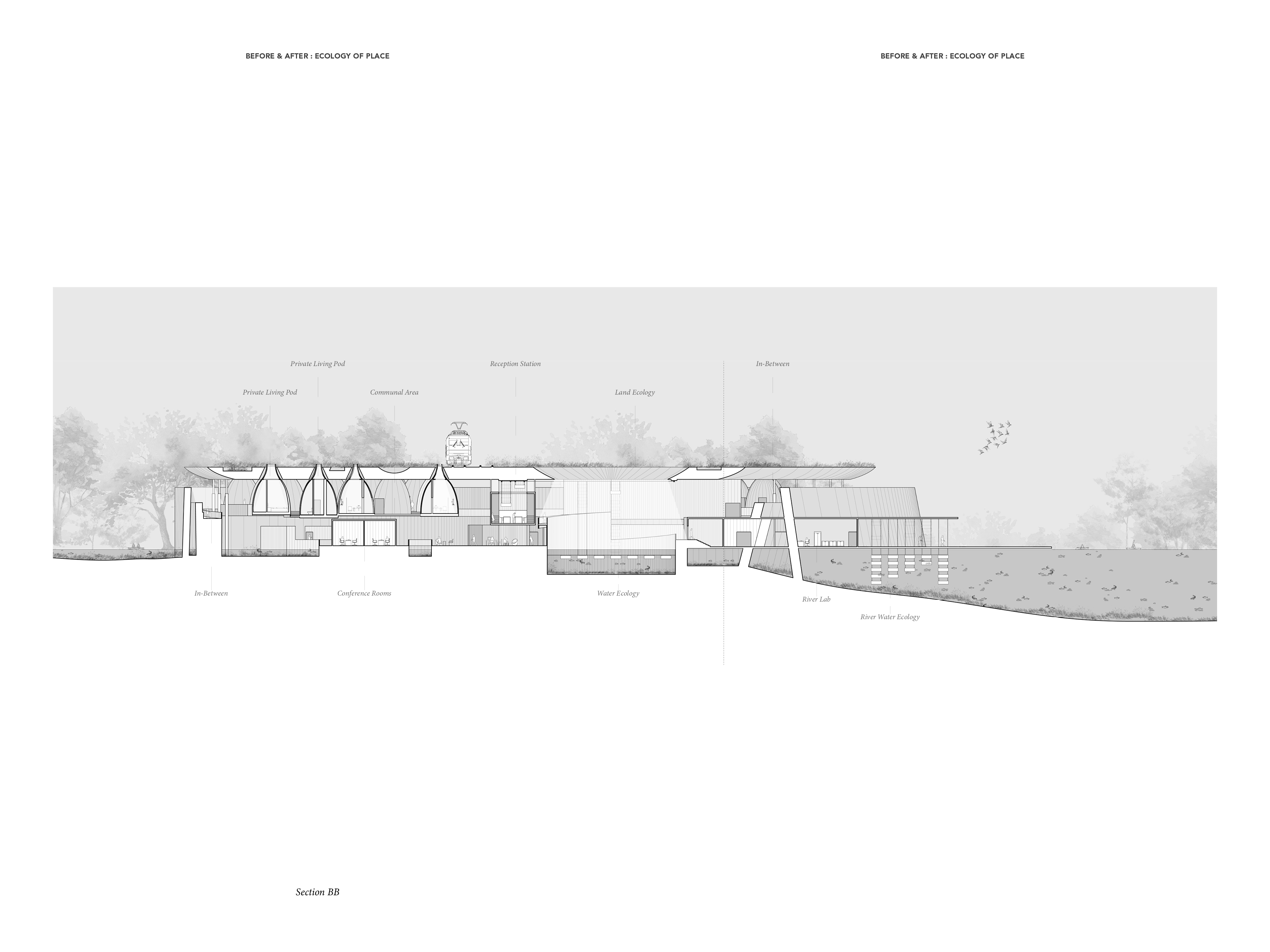
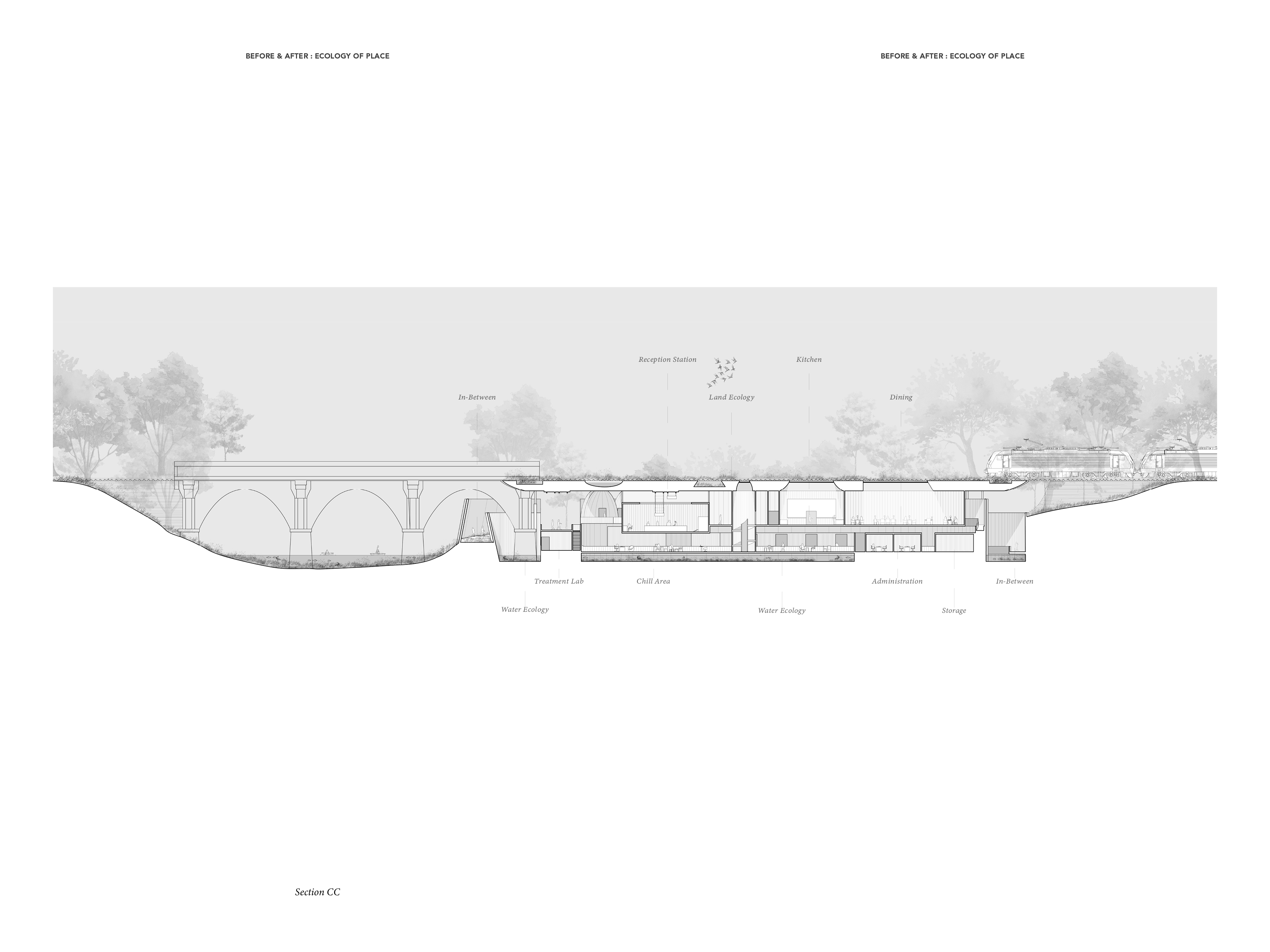
This project reconceives the site not as a fixed edge along the embankment, but as part of a continuous system of flows originating from the Farmington River. Historically, this landscape transitioned from an Indigenous ecology of seasonal migration and balanced resource use, to an industrial waterway powered by combustion, and later to a linear corridor structured by the railroad. At the moment where the rail bridge crosses the river in Windsor, these layers of movement—ecological, cultural, and infrastructural—converge, forming the conceptual foundation of the proposal.
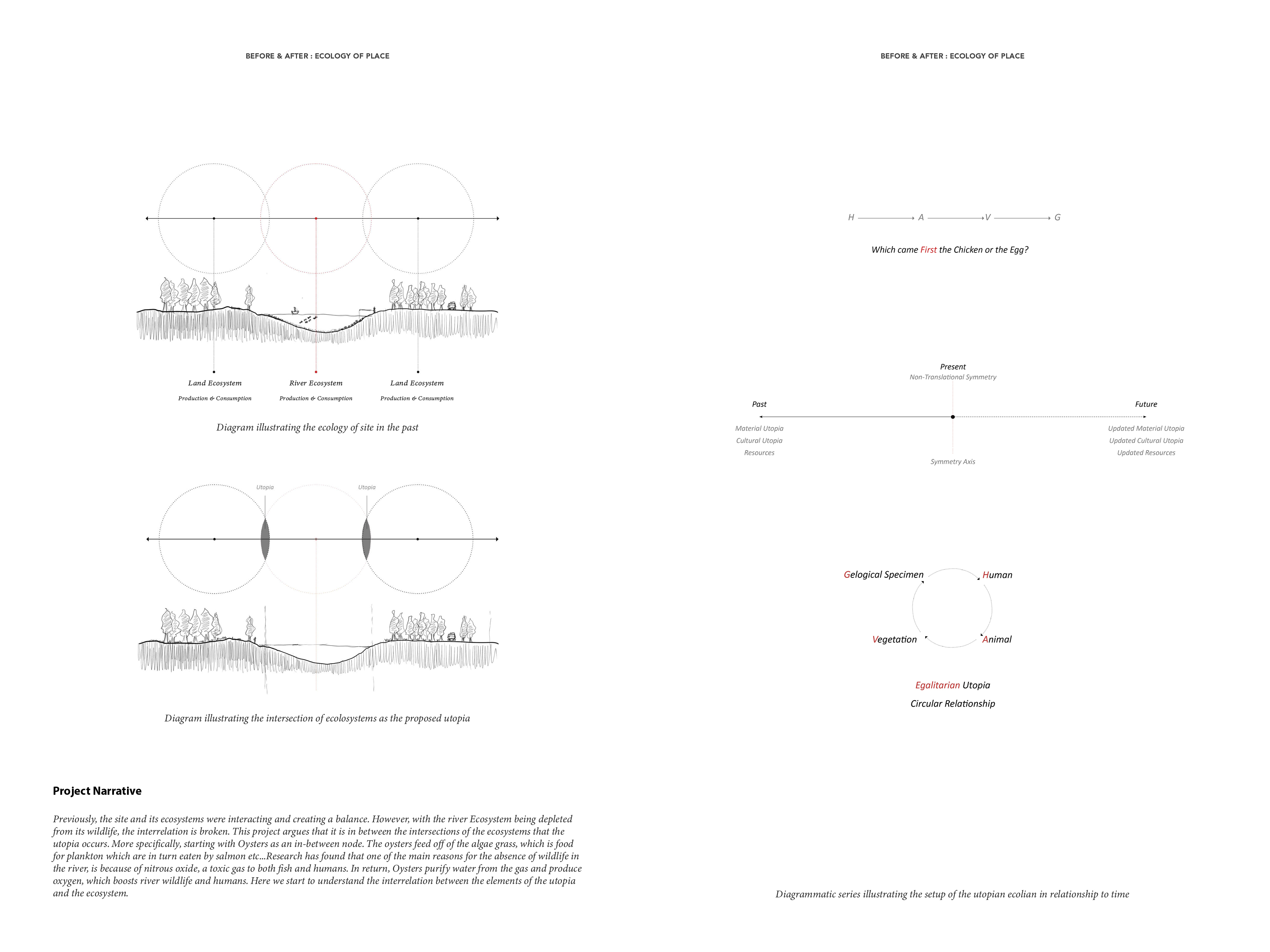
Rather than embracing a hierarchical, human-centered utopia, the project proposes a circular and interdependent model, where humans, animals, vegetation, and geological processes coexist within a shared ecological framework. The familiar “chicken or egg” paradox becomes a metaphor for rejecting linear narratives; in this vision, each organism and element is part of a reciprocal cycle that sustains the whole. Historically, the river supported such balance until pollution and habitat depletion fractured its interdependencies.
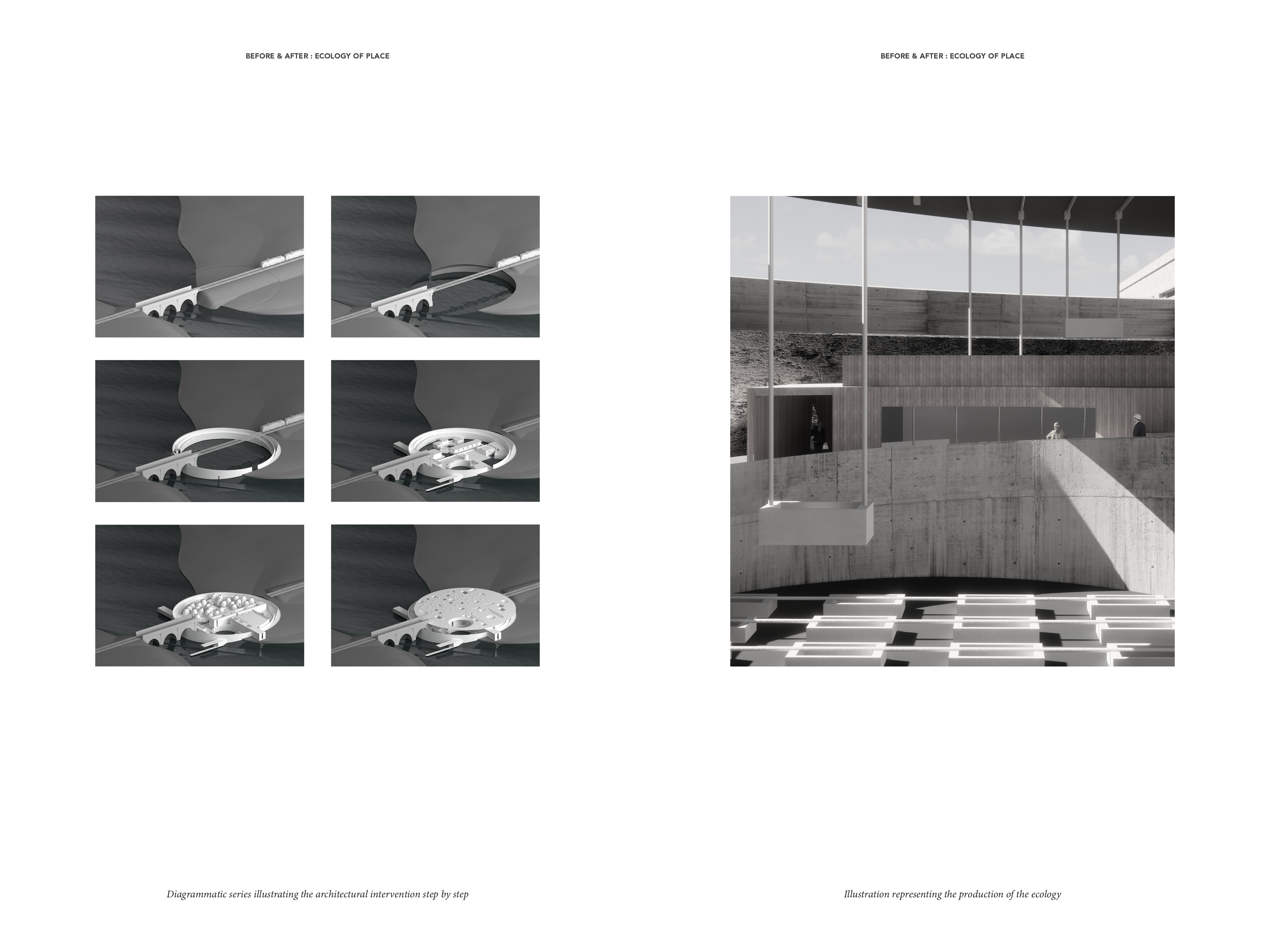
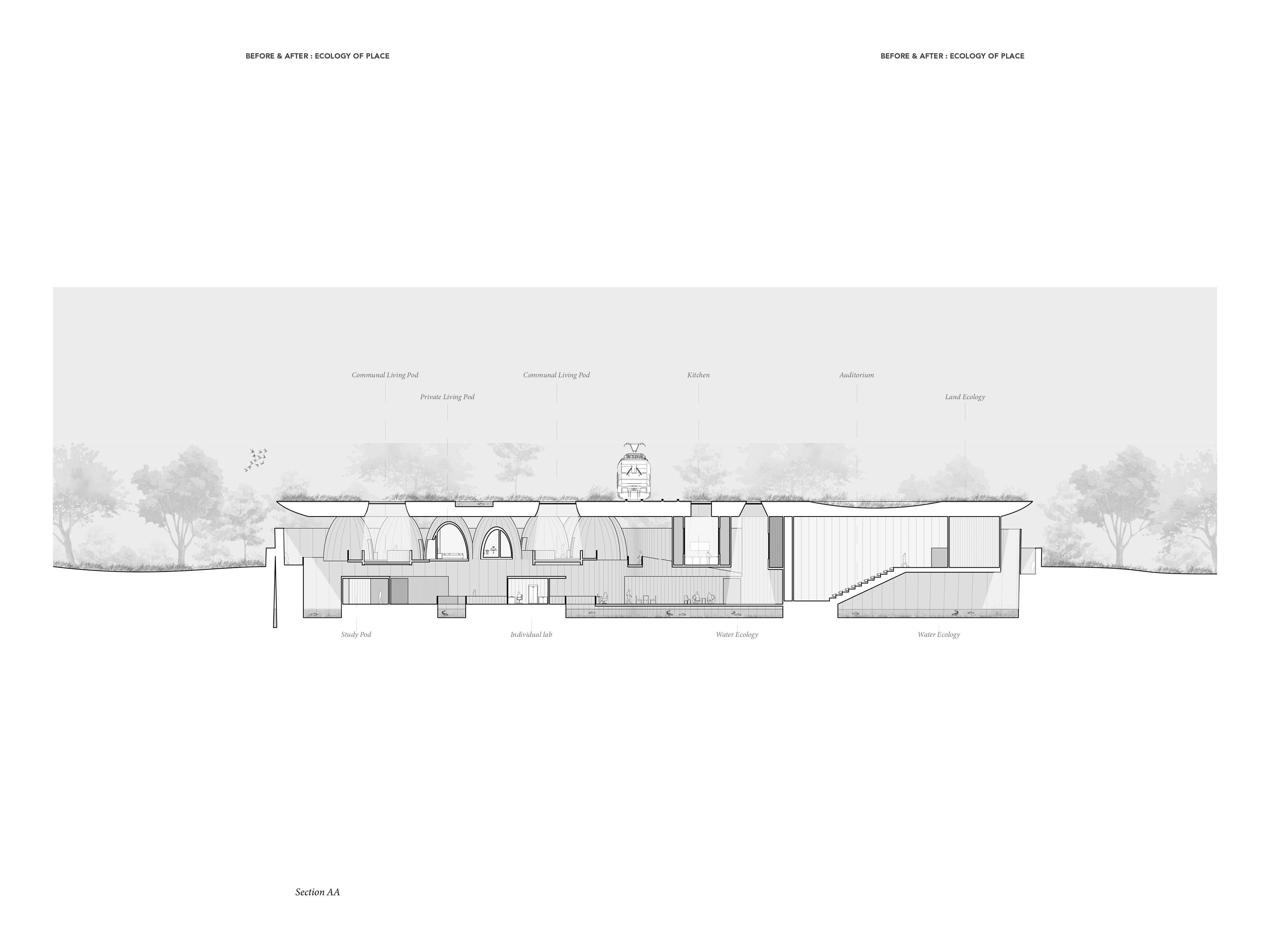
The design positions itself at the intersections of these ecosystems, introducing a series of regenerative architectural interventions that work with, rather than against, the river’s dynamics. Central to this strategy is the reintroduction of oysters as ecological mediators. Oysters consume algae, support plankton populations, and indirectly nourish fish species such as salmon. Research identifies nitrous oxide as a primary toxin responsible for the collapse of wildlife in the river; oysters naturally filter this compound and release oxygen, reactivating biological cycles essential to both aquatic life and human health.
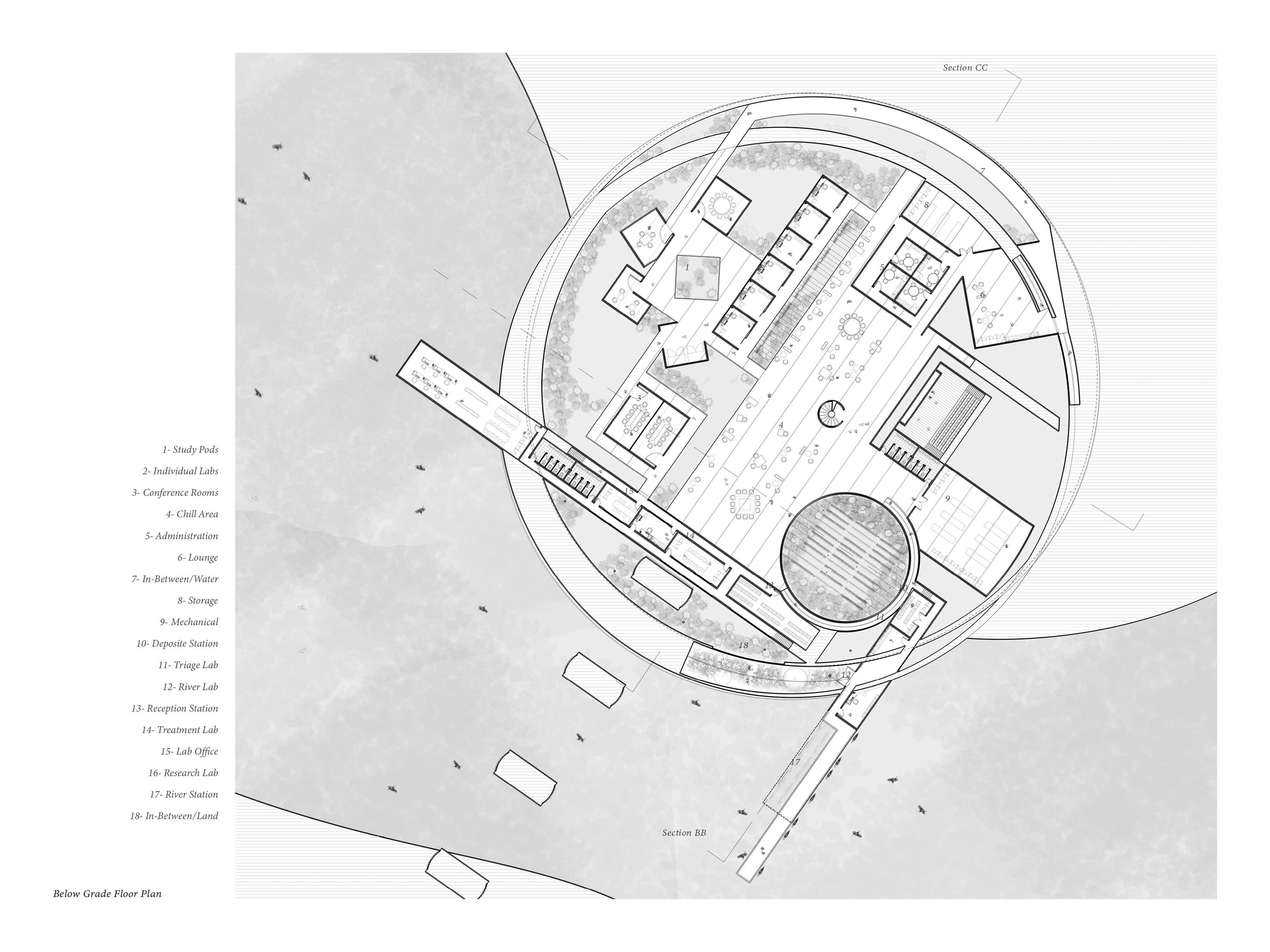
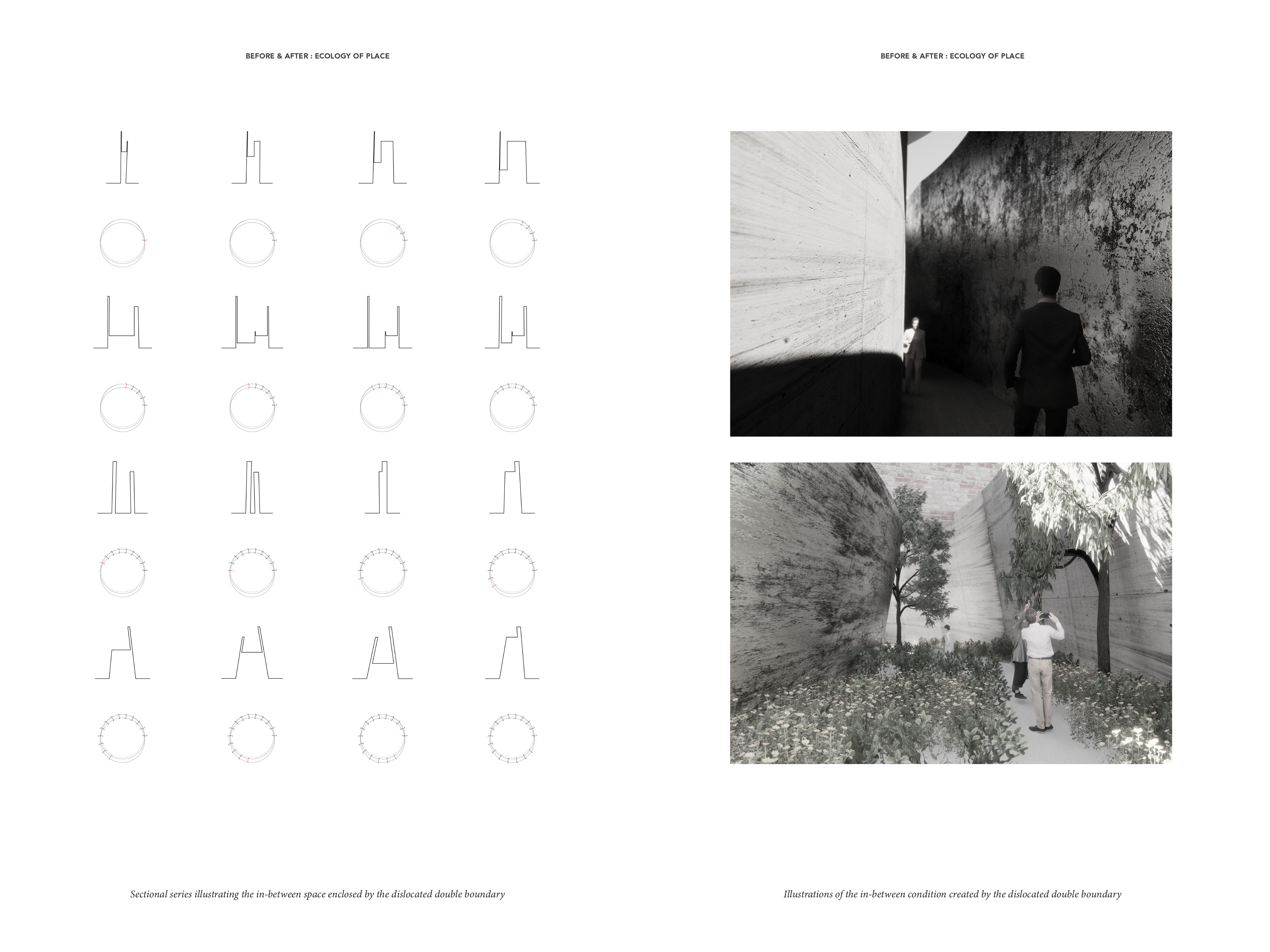
Architecturally, the project employs modular, permeable structures embedded within the river corridor. These platforms and enclosures accommodate the movement of water, sediment, and light, functioning as bio-productive infrastructure. Constructed from recycled steel, cast-in-place concrete, and timber walkways, the system is designed for climatic durability and ecological porosity. The modules form an adaptable framework capable of expanding or contracting as environmental conditions evolve.
Through the restoration of ecological relationships and the integration of infrastructural precision, the project transforms a historically fragmented landscape into a regenerative interface of flows—demonstrating how architecture can catalyze balance, renewal, and interspecies coexistence.
Credits

Entrant
Ilhee Park
Category
User Interface Design (UI) - Environmental Awareness
Entrant
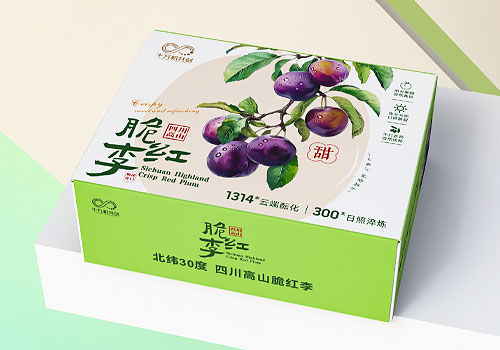
Sichuan Qianwanji Shuzhi Technology Group Co., Ltd.
Category
Packaging Design - Fresh Food