
2025
AI-Driven Upcycling of Regular Wood Trunks and Logs
Entrant
Jianing Luo, Boyuan Yu, Yi Shi
Category
Architectural Design - Conceptual
Client's Name
-
Country / Region
United Kingdom
Gallery





About The Entry
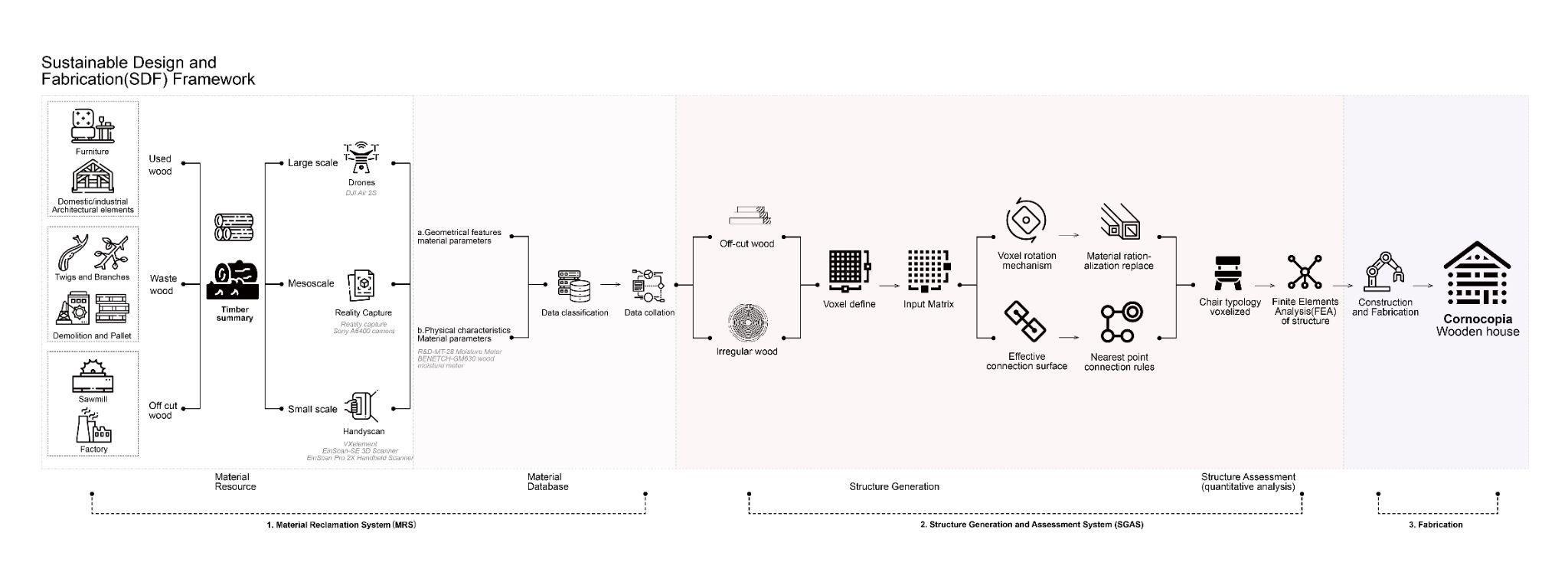
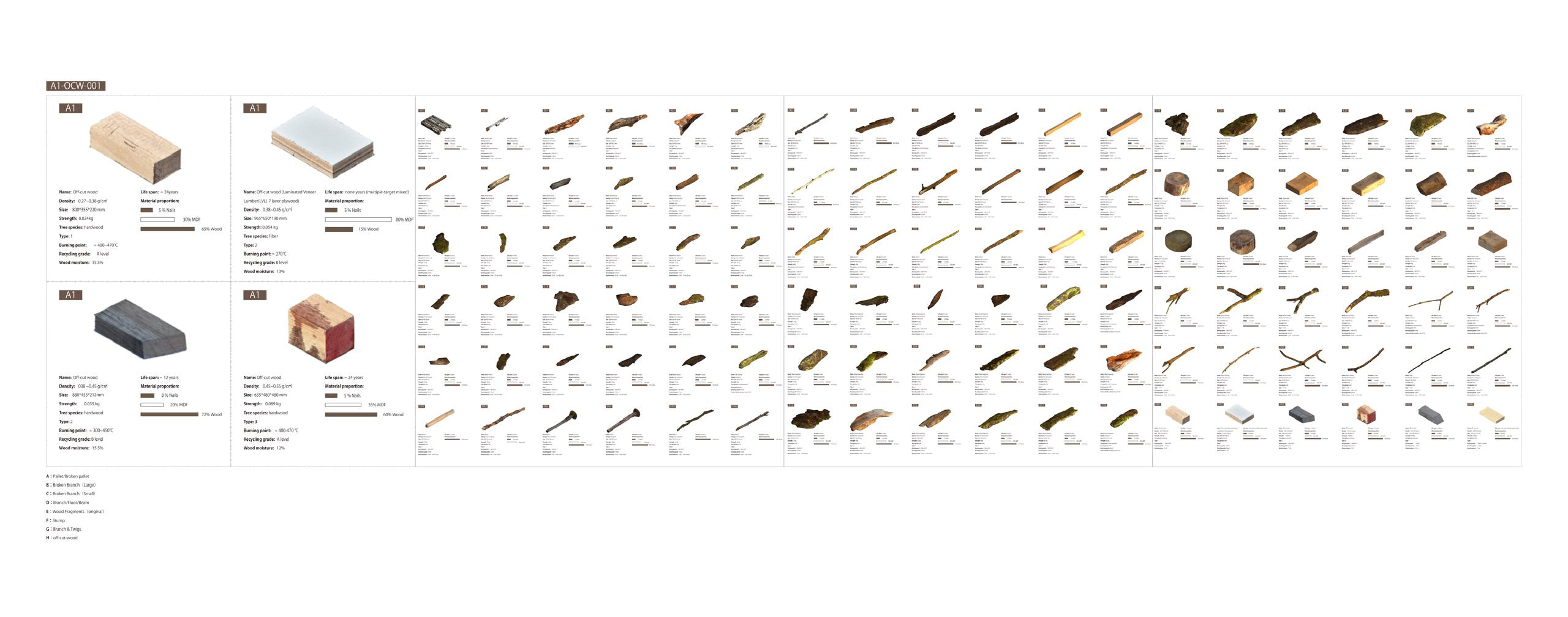
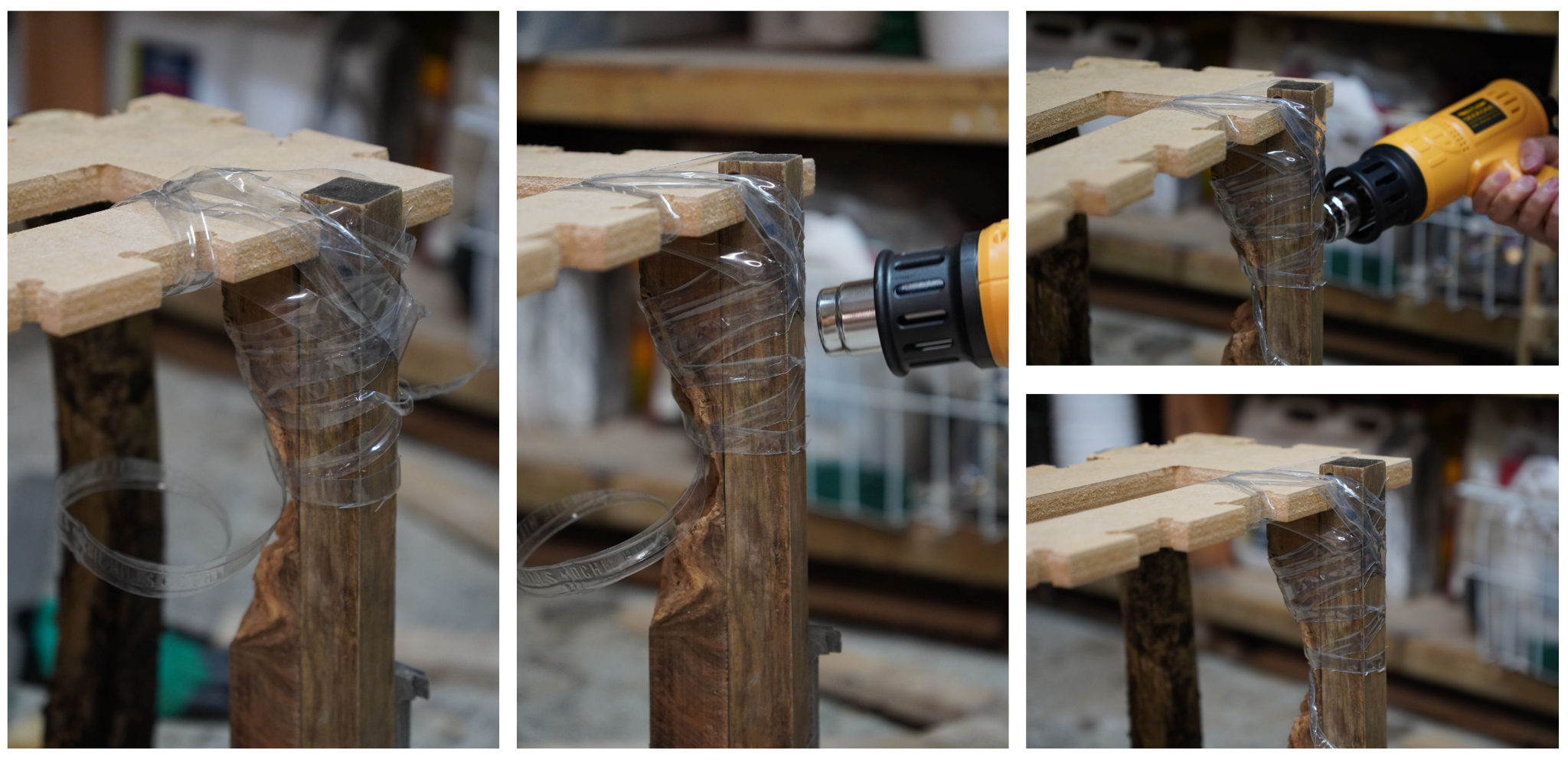
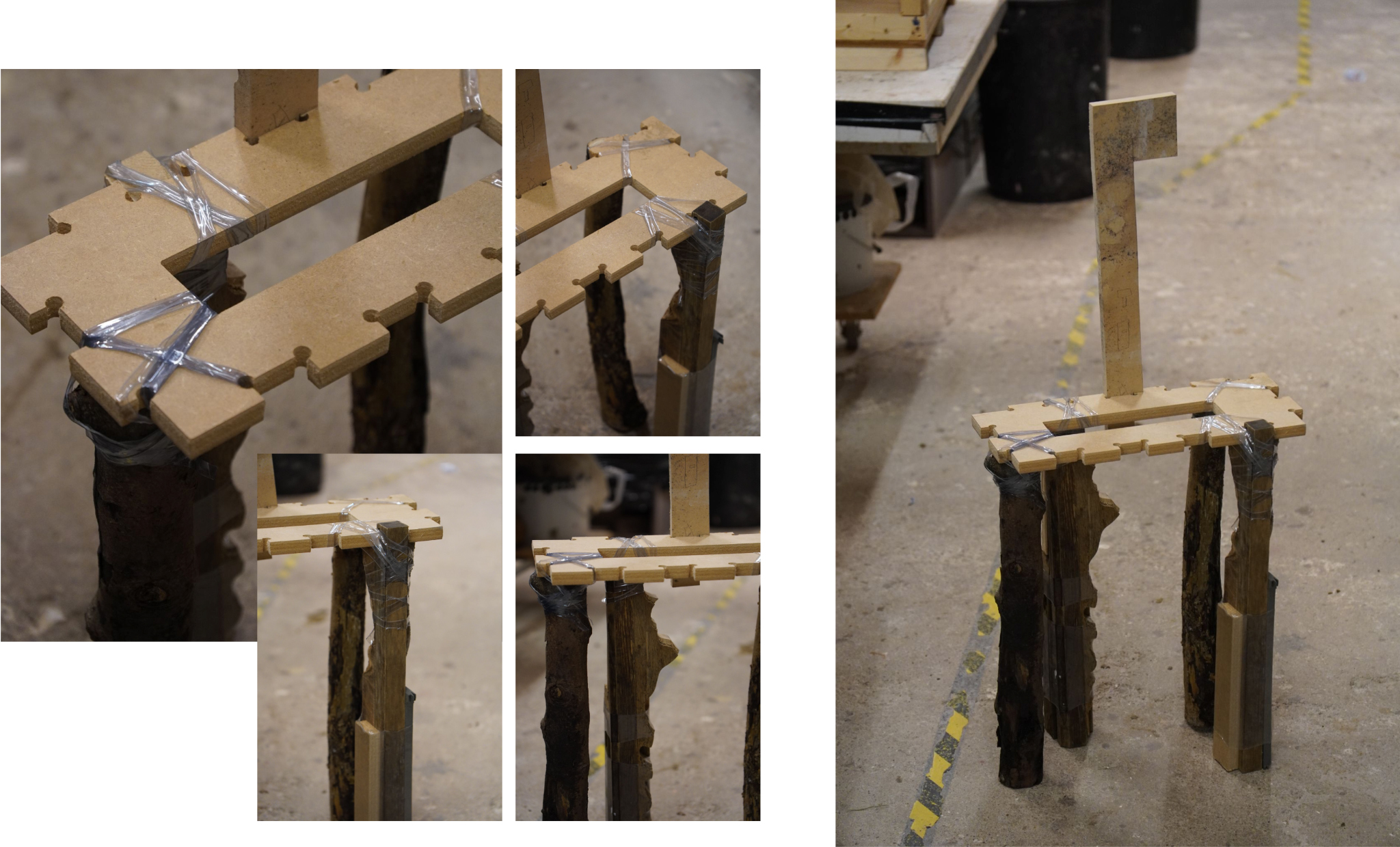
In sustainable building design and construction (SBDC), irregular wood elements (such as unprocessed logs, forks, and branches) remain primarily underutilised due to their complex geometries, which make them hard to reconfigure and result in significant material waste. This study addresses this challenge by developing a novel design-to-construction workflow to upcycle hard-to-reconfigure irregular wood into high-performance building components. The methodology integrates computational design with advanced digital fabrication and assembly techniques. 3D scanning and algorithmic modelling capture and optimise each element’s geometry; finite element analysis evaluates structural viability, and mixed-reality guidance in robotic fabrication enables precise assembly of the resulting components. This integrated approach transforms previously discarded wood pieces into structurally sound, architecturally expressive prototypes—including furniture and pavilion-scale structures—with minimal processing and waste. The proposed framework showcases the potential for creating functional and aesthetically pleasing furniture, pavilions, and architectural elements using reclaimed wood.
The proposed SBDC framework for upcycling irregular wood into sustainable building and furniture elements integrates cutting-edge technologies and innovations. These technologies collectively enhance the feasibility and demonstrate the significant advantages of using reclaimed wood in construction, ensuring efficient material use, structural stability, and reduced waste. The innovative methods proposed in this study offer practical solutions for transforming irregular wood into functional and aesthetically pleasing furniture, installations/pavilions, and architectural elements. This approach addresses the pressing issue of wood consumption and introduces novel sustainable practices within the Architecture, Engineering, and Construction (AEC) industry. By showcasing the potential for upcycled materials to meet high design and structural standards, the research promotes a shift towards more sustainable construction practices, ultimately reducing environmental impact and promoting benefits for resource efficiency, community, education, and urban development.
Credits
Entrant
Nature Times Art Design Co.,Ltd
Category
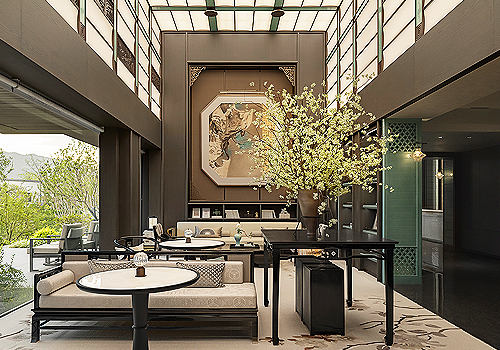
Interior Design - Mix Use Building: Residential & Commercial
Entrant
Qingdao RIM Urban Renewal Investment Operation Co., Ltd
Category
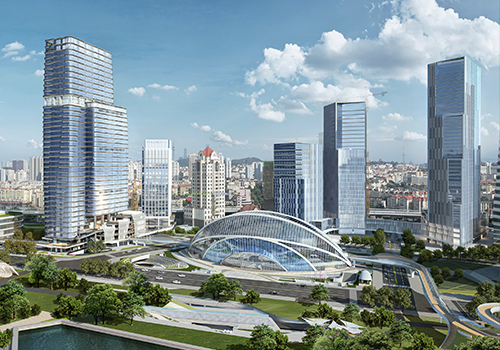
Architectural Design - Mix Use Architectural Designs

Entrant
DDB Hong Kong
Category
Service Design - Promotion / Contest